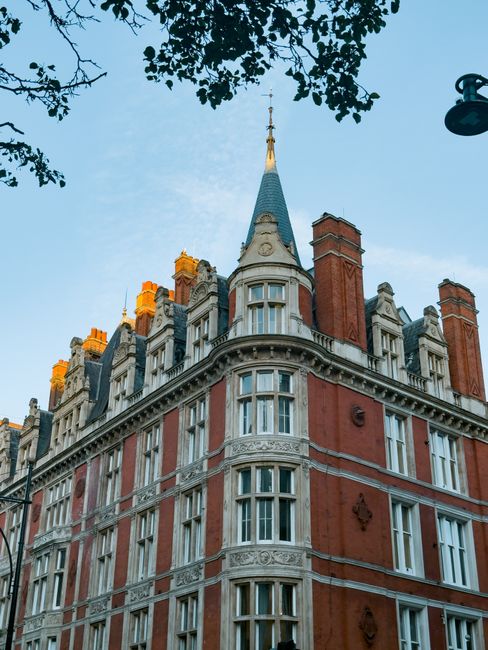
Grays Inn estate Holborn removals times and access advice
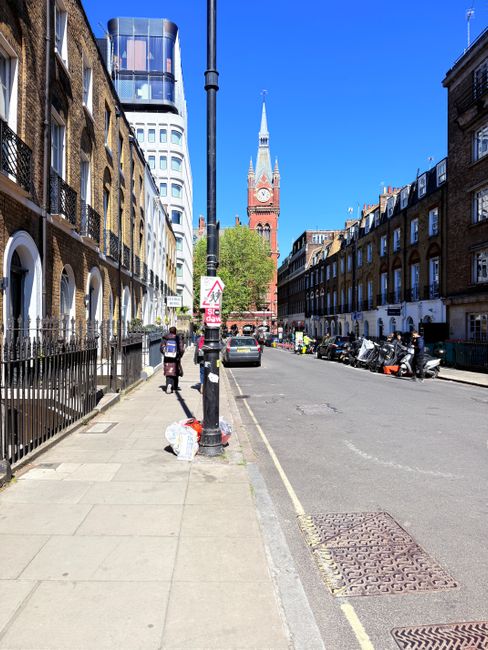
If you are planning a move around Gray's Inn Estate in Holborn, the small details can make a very big difference. Grays Inn estate Holborn removals times and access advice is really about one thing: getting the move done without unnecessary delays, parking headaches, or awkward surprises at the front gate. Sounds simple enough, but in central London, simple can quickly become complicated.
In this guide, you will find practical advice on timing, access, parking, loading, and how to make the move work in a busy, tightly managed part of Holborn. Whether you are moving into a flat, out of an office, or shifting a few bulky items, the aim is to help you plan with less stress and more confidence. Truth be told, a good move in this area is usually won by preparation, not luck.
We will also look at what affects access on the estate, when removals usually work best, which mistakes cause delays, and how to choose the right approach for your move.
Why Grays Inn estate Holborn removals times and access advice Matters
Gray's Inn Estate sits in one of those parts of London where the map looks straightforward and the real-world experience is anything but. Streets can be narrow, vehicle access may be restricted, and timing matters because even a short delay can snowball. A van waiting in the wrong place at the wrong time can block loading, frustrate neighbours, and leave your team carrying boxes farther than anyone planned.
This matters because removals are not only about lifting and transport. They are about access windows, sensible parking, clear routes, and making sure everyone involved knows what happens next. If you are moving a sofa, a desk, fragile items, or a whole household, the difference between a smooth move and a messy one often comes down to how well the access has been thought through.
There is also a trust side to it. When a moving plan looks organised, the day feels calmer for everyone: you, your neighbours, the building staff, and the movers. And in a busy Holborn setting, calm is underrated. Very underrated.
Expert summary: In Gray's Inn Estate, the best removals plan is usually the one that treats timing and access as seriously as packing. If you get those two right, the rest gets easier fast.
How Grays Inn estate Holborn removals times and access advice Works
The basic idea is simple: you match the move to the site conditions, then you work around them. In practice, that means thinking about the following before the van arrives:
- what time the estate is easiest to access
- whether the vehicle can stop close enough for loading
- if there are height, width, or turning constraints
- whether a bay, permit, or temporary arrangement is needed
- how long loading and unloading are likely to take
- if lifts, stairs, or internal routes will slow things down
On a site like Gray's Inn Estate, access advice usually starts with a walk-through. Not always a long one, either. A five-minute look at the route from vehicle to door can reveal quite a lot: a tight corner, a shared entrance, a doorstep with limited space, or a morning rush that makes parking awkward. A good mover will want that information early, not after the truck has already arrived.
Timing is just as important. Early morning often gives you the best chance of clearer roads and fewer pedestrians. Midday can be busier, especially around Holborn, and later in the day you may run into more traffic, more deliveries, and less patience all round. To be fair, no one enjoys carrying a wardrobe through a bottleneck while a delivery driver waits behind them.
If you are moving into an apartment or office, access may also depend on building rules. Some properties prefer set arrival times, advance notice, or a particular entrance for removals. The practical point is this: do not assume street access equals building access. Those are two different things, and both need planning.
Key Benefits and Practical Advantages
Good removals timing and access planning offers more than convenience. It can save money, reduce stress, and prevent avoidable damage. That may sound obvious, but in real life it is easy to underestimate how much time gets lost when a van circles the block or a mover has to carry items farther than expected.
- Less waiting time: Better timing usually means the team can start work instead of standing around.
- Lower risk of damage: Shorter carrying distances and clearer routes reduce knocks, scrapes, and dropped items.
- Better neighbour relations: A tidy, controlled move is far less likely to cause complaints.
- More predictable costs: If access is straightforward, the job is less likely to overrun.
- Less physical strain: Fewer awkward turns, stairs, and long carries make a real difference.
Another advantage is simply peace of mind. You know where the van will stop. You know who is opening doors or gates. You know how the first load will leave the property. That kind of certainty is worth a lot on moving day, especially if you are juggling work calls, children, or a lease deadline at the same time.
And here is the small but important bit people often miss: good access planning also makes packing better. If you know the walk from flat to vehicle is long, you pack differently. Heavier boxes are limited. Fragile items get extra protection. The whole move becomes a little more intelligent.
Who This Is For and When It Makes Sense
This advice is useful for a few different groups, and each has slightly different priorities.
Home movers need it when moving into or out of flats, maisonettes, or shared buildings in Gray's Inn Estate and nearby Holborn streets. The biggest concerns are usually parking, stair access, and timing the arrival so it does not collide with peak traffic or neighbour movement.
Office movers benefit from access planning because business moves are often time-sensitive. A short delay can interrupt staff, deliveries, and client work. If the move includes desks, IT equipment, or archive boxes, access needs to be organised with care.
Landlords and managing agents also need this information because it helps reduce damage, complaints, and confusion about vehicles on site. A well-managed arrival is much easier to approve than a vague one.
Anyone moving bulky items should pay attention, even if it is not a full household move. A sofa, bed base, filing cabinet, or piano can create the same access issues as a bigger job. Sometimes more, frankly, because one awkward item can block a corridor or doorway in a way boxes never do.
It makes sense whenever the property layout is tight, the street is busy, or the building has rules about vehicle access and move times. In Holborn, that covers quite a lot of ground.
Step-by-Step Guidance
Here is a practical way to plan a move around Gray's Inn Estate without turning the day into a scramble.
1. Check the access route first
Start with the route from the street to the property. Look for gates, steps, width restrictions, corners, and anything that could make a trolley or heavy item awkward. If you can do a quick visit the day before, even better. Ten minutes there can save an hour later.
2. Confirm the best time window
Ask when access is easiest. Early morning often works best, but every building is different. Some properties prefer certain times to reduce disturbance. If you are moving in a quieter window, keep it realistic; if you are moving during a busier period, allow extra time.
3. Arrange parking or stopping space
Do not leave parking as an afterthought. In central London, the van may need a clear stopping point, and if the first option is unavailable, the whole plan changes. If your mover can advise on this, listen carefully. They have usually seen what happens when parking is guessed instead of checked.
4. Pack for the route, not just the room
If there are stairs or long walks, split loads into sensible weights. Heavy boxes should stay manageable. Fragile items need padding. The route from property to vehicle should influence your packing choices from the start.
5. Notify building contacts or neighbours if needed
If the estate management, concierge, or neighbours need a heads-up, give one. A short, polite notice can prevent a lot of friction. It also helps if lifts or shared entrances need to be kept clear for a period of time.
6. Build in a time buffer
Allow extra time for the unexpected. A lift might be busy. A bay may be occupied. A delivery driver may block the only easy stopping point for three unnerving minutes. That is London life, really.
7. Keep the essentials separate
Have keys, phone, documents, and basic supplies to hand. If you are moving from a flat, keep toiletries, chargers, and a change of clothes separate too. You will thank yourself later when the first day ends and you are too tired to unpack properly.
Expert Tips for Better Results
There are a few practical habits that make a surprising difference on this kind of move.
Use one person to coordinate the day. Too many people giving instructions at once can slow everything down. Pick one point of contact and keep communication simple.
Measure awkward items before move day. Door frames, stair turns, lift doors, and van height matter more than most people expect. A quick measurement can prevent a very unglamorous blockage.
Plan around the weather. Rain changes everything. Wet pavements, slippery steps, and damp boxes are bad enough, but weather also slows loading because everyone becomes more cautious. Sensible caution, of course, but slower all the same.
Keep the first load easy to identify. Mark the boxes or items that need to come out first. It helps when you arrive at the destination and do not want to hunt through a wall of cardboard for the kettle. Small win, big morale boost.
Choose a mover familiar with central London access. Local knowledge matters. Someone who understands Holborn streets, tighter access, and real loading conditions will usually work more efficiently than someone treating it like a suburban house move.
Stay flexible but not vague. Flexibility helps, but vagueness is where problems begin. Know your plan, then allow some breathing room around it.
One more thing. If your move involves a lot of stair carrying or a tight internal route, ask early about additional help such as a second porter or packing support. It is easier to add help before the day than to improvise after everyone is already tired.
Common Mistakes to Avoid
Some moving problems are nearly universal, and Gray's Inn Estate is no exception.
- Assuming parking will be easy: It usually is not. Especially not in central London.
- Ignoring building rules: A building may have access requirements that do not appear obvious at first glance.
- Booking too late in the day: Later slots can run into traffic, fatigue, and less flexibility if something slips.
- Underestimating carrying distance: What looks short on a plan can feel much longer with a wardrobe in hand.
- Failing to label items clearly: This makes unloading slower and sorting harder at the other end.
- Not checking the weather: A wet move is manageable, but only if you prepare for it.
Another mistake is trying to save time by skipping the access check. That usually backfires. A minute spent confirming the route and stopping point can save a lot of messy backtracking. You do not want to discover a locked gate, a tight stairwell, or a no-stopping zone when the van is already at the kerb.
And yes, people do sometimes forget keys. More often than they care to admit.
Tools, Resources and Recommendations
You do not need a huge toolkit, but a few items make removals in Holborn much easier.
- Boxes in mixed sizes: Small boxes for heavy items, larger ones for lighter bulky contents.
- Packing tape and labels: Clear labels save time at both ends.
- Protective blankets and wraps: Useful for furniture edges, mirrors, and appliances.
- Trolley or sack barrow: Essential if your route includes longer internal carries.
- Floor protection: Helpful in shared buildings where you want to avoid scuffs.
- Basic toolkit: Often needed for dismantling beds, shelves, or desks.
On the information side, it helps to review practical pages before you book. The site's pricing and quotes page is useful if you want to compare what is included, and the insurance and safety page gives a better sense of how risk is handled on moving day.
If you are moving a home rather than a single item, the home moves and house removals pages can help you understand the type of support commonly offered. For packing-heavy jobs, the packing and unpacking services page is worth a look too.
For practical reading on local access issues, this site's blog has several relevant guides, including moving into Gray's Inn Estate van access tips, parking tips for removals on High Holborn, and avoid Holborn move-day timing mistakes and delays. They are particularly handy if you are trying to picture the day in advance.
Law, Compliance, Standards, or Best Practice
For removals in London, compliance mostly comes down to practical best practice, building rules, road use, and safety. There may be local parking restrictions, bay limits, or building-specific rules about moving hours. The exact arrangements can vary, so it is sensible to confirm them before moving day rather than assuming anything.
Health and safety is the big one. Heavy lifting, awkward angles, and tight staircases all carry risk. A careful mover should think about manual handling, safe routes, and protecting both people and property. That is not bureaucracy for its own sake; it is what keeps a move from turning into an injury or damage claim.
Insurance matters too. If you are moving valuable or fragile items, you want to know how they are being handled and what the mover's policy covers. Read the terms, ask questions, and do not be shy about it. Good operators expect that.
It also helps to respect building access rules and neighbour considerations. Keeping shared areas tidy, avoiding unnecessary noise, and not blocking entrances for longer than needed is simply good practice. In a place like Gray's Inn Estate, that kind of courtesy goes a long way.
For service expectations and clear business policies, the site's terms and conditions, health and safety policy, and accessibility statement are useful reference points. If you want to understand how issues are handled if something goes wrong, the complaints procedure is also there for clarity.
Options, Methods, or Comparison Table
Different moves need different approaches. Here is a practical comparison of common choices for Gray's Inn Estate and wider Holborn moves.
| Option | Best for | Strengths | Limitations |
|---|---|---|---|
| Full-service removals | Larger home or office moves | Less stress, more support, better for heavy or awkward items | Usually costs more than basic transport only |
| Man and van | Smaller moves, single items, flexible jobs | Often quicker to arrange, more adaptable, good for tight urban access | May need more self-packing and lifting support |
| DIY with hired vehicle | Very low-budget moves | Maximum control if you know the area well | Higher risk, more stress, parking and access issues fall on you |
| Pack-only or hybrid help | Busy households or time-sensitive moves | Good balance between cost and convenience | Still requires coordination around access and timing |
In this part of London, a man and van arrangement often makes sense for smaller or medium-sized moves because it can be easier to fit around limited access. A full-service team is often better for bigger jobs, fragile loads, or anything with stairs and multiple rooms. The "best" method is usually the one that fits your route as well as your load.
Case Study or Real-World Example
Here is a realistic example from a typical Holborn move. A tenant was moving out of a flat near Gray's Inn Estate with a small sofa, several boxes, a bed frame, and office equipment. At first, they planned for a midday arrival because it suited their own schedule. On paper, that seemed harmless enough.
Then they checked the route more carefully. The street had tighter stopping options around midday, and building activity picked up around lunchtime. The team adjusted the timing to an earlier slot, separated the boxes by priority, and arranged the route from flat to van so the heaviest pieces came out first. They also kept the lift clear and had protective blankets ready for the sofa corners.
The move still took work, of course. Moving always does. But it finished without frantic repositioning, no parking scramble, and far less carrying than initially expected. The whole thing felt calmer, and that calm made a difference to the day. Small decision. Big payoff.
That is the real lesson here: local access advice is not a luxury. It is one of the main levers that keeps a move manageable.
Practical Checklist
Use this checklist before move day. It is simple, but it covers the things that most often trip people up.
- Confirm the move date and preferred arrival time
- Check whether the estate or building has access rules
- Review the route from vehicle to property entrance
- Measure any narrow doors, stairs, lifts, or corners
- Decide where the van can stop safely
- Prepare parking or stopping arrangements if needed
- Tell neighbours or building contacts if appropriate
- Label fragile, heavy, and first-out items clearly
- Pack a separate essentials bag
- Protect floors, furniture, and awkward edges
- Allow time for delays, weather, or lift access
- Keep keys, documents, and phone charged and ready
If you can tick off most of those items, you are already ahead of the curve. Not perfect, maybe, but properly prepared. And that counts for a lot in central London.
Conclusion
Grays Inn estate Holborn removals times and access advice is really about making a busy London move behave itself. With the right timing, sensible access planning, and a clear understanding of the route, you can avoid many of the delays and frustrations that catch people out. The move becomes more predictable, safer, and less exhausting.
If you are still comparing options, start with access, then timing, then service type. That order works surprisingly well. It keeps the practical reality front and centre, which is exactly where it should be. Once those basics are sorted, the rest of the move usually falls into place more easily than people expect.
Get a free quote today and see how much you can save.
And if you want a move that feels a little less like firefighting and a little more like a plan, that is a good place to begin.
Frequently Asked Questions
What are the best times for removals in Gray's Inn Estate?
Early morning is often the easiest time because roads tend to be quieter and there is less competition for loading space. That said, the best time depends on the building rules, street conditions, and how long the move is likely to take. If a midday move is unavoidable, build in extra buffer time.
Do I need to check access before booking a removals van?
Yes, absolutely. Access is one of the biggest factors in whether a move stays on schedule. You should check vehicle stopping space, building entry points, stairs, lifts, and any route restrictions before the booking is finalised.
Can a man and van service work for Gray's Inn Estate?
Yes, it often can, especially for smaller flats, single-item moves, or jobs with limited access. A flexible vehicle and a local driver can be a very practical fit in Holborn, where parking and stopping space can be tight.
What if my building has strict moving hours?
Then those hours should guide the whole plan. Speak to the building contact early, confirm the permitted window, and make sure your mover knows it too. If the building says the lift or entrance is only available at certain times, take that seriously.
How do I avoid parking problems on moving day?
Check the likely stopping point in advance and keep a backup option in mind. Do not assume there will be space just because the street looks calm at the time you check it online or on foot. Central London can change character very quickly.
What should I do if access involves stairs or narrow hallways?
Measure key points before the day, then pack and plan around them. Smaller boxes, protective wraps, and clear routes help. If the item is especially large or awkward, ask whether a second person or extra equipment is needed.
Is it better to move on a weekday or weekend?
There is no single answer. Weekdays can be affected by traffic and building activity, while weekends may be easier for some homes but not all. The best choice depends on local access, your building's rules, and how much time you have.
How far in advance should I arrange a move in Holborn?
As early as you reasonably can, especially if you need a specific time window or have awkward access. In busy central areas, leaving it too late can narrow your options and make the day feel rushed.
Do I need to tell neighbours before moving out?
It is often a good idea, especially if the move may involve shared entrances, lift use, or a brief loading stop close to the property. A short notice can prevent irritation and helps keep things friendly.
What items usually cause the most access trouble?
Large sofas, wardrobes, beds, filing cabinets, and pianos tend to cause the most headaches. They are awkward to turn, heavy to carry, and often reveal tight corners you did not think would matter.
How can I make removals less stressful overall?
Keep the plan simple, label everything clearly, prepare for the access route, and allow more time than you think you need. A calmer pace usually leads to fewer mistakes. It sounds basic, but it works.
Where can I find more help with a Holborn move?
Useful starting points include the site's removals overview, the man with van removal service page, and the contact us page if you want to ask about your specific access situation. A quick conversation can clear up a lot before moving day arrives.