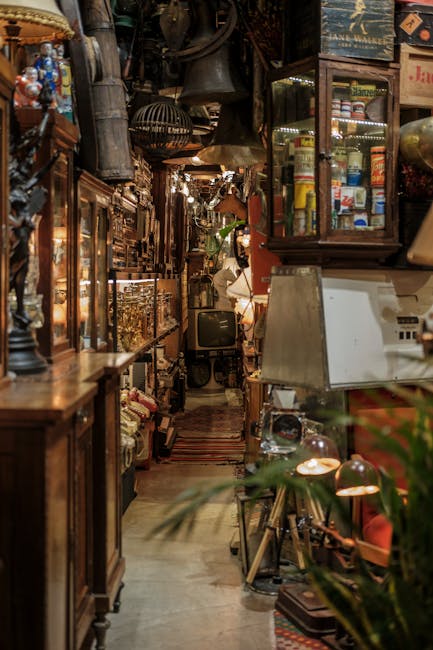
Holborn bulky items: Safe antique moves from Hatton Garden
Posted on 14/05/2026
Holborn Bulky Items: Safe Antique Moves from Hatton Garden
Moving an antique through Holborn sounds simple until you meet a narrow stairwell, a tight front door, a bit of Georgian awkwardness, and a piece of furniture that absolutely refuses to be rushed. That is the real challenge behind Holborn bulky items: Safe antique moves from Hatton Garden. These moves are not just about lifting something heavy. They are about protecting age, finish, structure, and value while navigating one of London's busiest local environments.
Whether you are moving a family heirloom, a decorative cabinet, a mirror with a temper, or a collector's piece bought in Hatton Garden, the goal is the same: get it from A to B without chips, splits, strain, or stress. This guide breaks down how safe antique moving works in practical terms, what to plan for, and how to avoid the small mistakes that cause the big problems. Truth be told, most damage happens before the van even arrives.
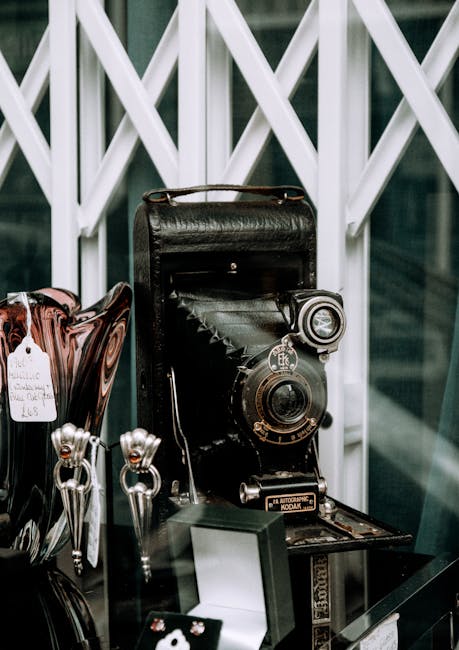
Why Holborn bulky items: Safe antique moves from Hatton Garden Matters
Antiques behave differently from modern furniture. They can look sturdy and still be surprisingly fragile. Old joints may have loosened over time, veneers can lift with a knock, and decorative details can snap under pressure. That is why moving antique bulky items in Holborn needs a slower, more thoughtful approach than a standard household move.
Hatton Garden adds another layer. The area is busy, full of timed access windows, limited roadside space, and the usual London mix of pedestrians, delivery vehicles, and awkward parking. If you are moving from a shop, a flat above premises, or a storage unit nearby, even a short journey can be the tricky part. One wrong turn, one rushed lift, and you can end up with scuffed timber or, worse, a repair bill that hurts more than the move itself.
Safe antique moving matters because it protects three things at once:
- Condition - keeping surfaces, carvings, glass, and joints intact.
- Value - preventing avoidable damage that may reduce resale or sentimental value.
- Peace of mind - removing the fear that something precious might be handled carelessly.
There is also a practical side. Bulky antique moves often involve other items too: sideboards, mirrors, wardrobes, piano-like weight, awkward lamps, or boxed collections. If the whole move is being organised together, it helps to think beyond a single item and look at the whole route, from packing to unloading. A good starting point is often the wider removal services available in Holborn, especially if you are comparing a single-item move with a fuller household move.
Expert summary: antique moves are less about strength and more about control. The best outcome usually comes from planning the lift, protecting the item properly, and choosing the route that avoids unnecessary handling.
How Holborn bulky items: Safe antique moves from Hatton Garden Works
Safe antique moving follows a simple idea: reduce handling, reduce friction, reduce surprises. The process normally starts with a proper assessment. That means measuring the item, checking its condition, and looking at the route out of the property. In a lot of cases, the difficult bit is not the antique itself but the doorway, staircase, landing, corridor, or lift.
For example, a large oak dresser may look manageable until you realise the hallway bends by a few degrees and the top half has to be detached. Or a marble-topped cabinet may need additional base support because the top looks elegant but the weight is not evenly distributed. These are the little realities that matter.
Most safe antique removals work through a sequence like this:
- Pre-move survey - identify dimensions, fragility, access issues, and any detachable parts.
- Protective packing - wrap surfaces, corners, glass, and carved details with the right materials.
- Controlled lifting - use proper posture, enough people, and the right moving equipment.
- Careful loading - secure the item in the van so it does not slide or rattle.
- Gentle unloading and placement - position the piece where it can acclimatise and be inspected.
If the antique is unusually large, oddly shaped, or part of a larger furniture set, it may sit naturally within a furniture removals Holborn plan rather than a quick single-item job. That is especially true where the item needs blankets, corner guards, straps, or a van with proper internal restraint points.
A sensible mover will also think about timing. Early morning can be calmer on local roads. Midday may be noisier, busier, and more rushed. Sometimes a same-day arrangement is possible, but for antiques, a bit of breathing room is usually better than a last-minute scramble. You do not want a beautiful piece being moved at the exact moment a delivery bay is blocked by a van unloading pastries. It happens. More than you'd think.
Key Benefits and Practical Advantages
There are obvious benefits to using a proper antique moving approach, but a few are easy to miss until you have lived through one bad move. The first is obvious protection. The second is reduced physical risk. The third is time saved by avoiding do-overs, repairs, or re-arranging a move because something simply would not fit through the front door the first time.
Here are the main advantages in plain English:
- Less risk of cosmetic damage - no fresh scratches across polished wood or dented edges on veneered surfaces.
- Lower chance of structural stress - joints, fixings, legs, and drawers are less likely to loosen during transport.
- Better handling of heavy pieces - antique items can be dense and awkward, so controlled lifting matters.
- Cleaner move-in experience - proper protection helps avoid dirt, wall marks, and scuffs in both properties.
- More confidence around insurance and accountability - clearer process, clearer handling, fewer grey areas.
There is also a subtle benefit: antique items often arrive less rattled, and that matters. A sideboard with delicate joints or a display cabinet with glass inserts should not sound like a toolbox in the back of a van. If it does, something is off.
For people moving from Hatton Garden into a flat, maisonette, or townhouse nearby, safe item handling often goes hand in hand with flat removals in Holborn or broader house removals support in Holborn. That broader picture matters because antiques are rarely moved in isolation; they are usually part of a busy, multi-item day.
Who This Is For and When It Makes Sense
This kind of move is right for anyone dealing with heavy, valuable, sentimental, or difficult-to-handle antiques. But there are a few specific situations where it makes especially good sense.
You may need this approach if you are:
- moving an antique purchased or collected in Hatton Garden
- relocating inherited furniture with uneven age or unknown structural condition
- moving a bulky item from a top-floor flat with narrow stairs
- handling multiple valuable pieces in one journey
- trying to avoid damage to floors, walls, or doorframes in a period property
- short on time but unwilling to compromise on care
It also makes sense when the item is not quite "delicate" in the obvious way, but still awkward. A heavy antique bookcase, for instance, may not look precious at first glance, yet the shelves, backing, and trim can be surprisingly vulnerable. Same with older dining tables: the surface may be tough, but the legs and fixings can be a bit fussy, let's be honest.
If you are still deciding whether you need a van and a pair of hands or a more fully managed service, comparing the support options on man with a van in Holborn and man and van Holborn can help clarify the level of help that fits your item and access situation.
One small but important note: if you are trying to move an antique just because it is "only going down the road," be careful. Short distance does not mean low risk. In dense areas, the most damage often happens in the loading and unloading, not on the road itself.
Step-by-Step Guidance
If you want a safe, calm move, the process helps. A lot. Relying on last-minute strength is where people get into trouble. Below is a practical sequence you can use before any antique move from Hatton Garden or the wider Holborn area.
1. Inspect the item properly
Look for loose joints, chips, missing screws, unstable legs, glass panels, or lifting veneer. Open drawers and doors. Check whether something has already been repaired, because repaired areas sometimes need extra care. If the item creaks, wobbles, or has a lot of movement, assume it needs support rather than brute force.
2. Measure the item and the access route
Measure width, height, and depth. Then check the hallway, staircase, landing, and doorway. This sounds basic, but it is the step people skip most often. And then they are standing in the doorway, sweating a little, trying to pivot a cabinet that clearly said no from the start.
3. Remove loose or detachable parts
Take out shelves, drawers, glass panels, handles, and removable feet where appropriate. Wrap each item separately and label anything that needs to go back in a specific place. Small baggies for screws, hinges, and fittings are boring but brilliant.
4. Pack with the right protection
Use soft wrapping on polished surfaces and extra corner protection where needed. Avoid over-tight wrapping that puts pressure on weak points. If the item includes upholstered sections, follow good storage and wrapping habits similar to those used for sofa protection, and see these sofa storage tips for ideas that transfer well to padded or fabric antiques.
5. Plan the carry and loading order
Decide who is lifting which side, where the van will park, and what the clear route looks like. For heavier items, using proper lifting technique is not optional. If you want a good refresher on body mechanics and safer lifting, the guide on basic lifting concepts is worth a look.
6. Load and secure the item in the van
Load antiques so they cannot tip, twist, or knock against other items. Blankets, straps, and partitions matter here. If the piece has glass or mirrored elements, keep them protected from vibration and direct impact points.
7. Unload, place, and inspect again
Once the item is in the new property, inspect it before you relax too much. Check for fresh movement, surface rub marks, or loose components. If the move included storage before final placement, let the piece settle before any major reassembly.
For broader move prep, including packing flow and how to organise the day without chaos, this moving-preparation guide and these packing tips can make a real difference.
Expert Tips for Better Results
There is no single magic trick here. Safer antique moves come from a stack of small good decisions. That said, a few habits consistently make life easier.
- Keep original character in mind. Antique furniture should be protected without being over-taped, over-stuffed, or wrapped in ways that can trap moisture.
- Use more protection than you think you need. Corners, carved detailing, and thin legs deserve extra attention.
- Disassemble only what is sensible. Some items benefit from partial dismantling; others become more vulnerable if taken apart too much.
- Photograph the item before moving. This helps with placement, reassembly, and condition checking afterward.
- Protect the building too. Doorframe guards, floor protection, and wall padding can save a lot of awkward apologies.
One practical tip people forget: allow time for decisions. An antique move is not a "grab it and go" job. You often need a pause at the doorway to turn, rotate, or adjust grip. That pause is not wasted time; it is the move being done properly.
If the item is especially large or your access is limited, compare your move plan with the support available through removal services in Holborn or local removal companies in Holborn. It is better to choose the right level of help upfront than to "see how it goes" and then regret the gamble halfway down the stairs.
Common Mistakes to Avoid
Most antique damage is preventable. That is the frustrating part, really. The same few errors keep cropping up because people assume an item is either stronger than it is or easier to move than it looks.
Common mistakes include:
- Using the wrong wrapping materials - rough blankets, loose tape, or plastic against sensitive finishes can cause problems.
- Not checking weight distribution - some antiques are top-heavy and can tip unexpectedly.
- Forcing the item through tight access - if it is not turning, it is not turning. Stop and reassess.
- Underestimating stair risk - stairs are often the danger zone, not the van.
- Skipping a clear inventory - loose parts and fittings go missing when nobody labels them.
- Trying to do too much with too few people - "we can manage" becomes "why is the handle bent?" very quickly.
Another mistake is choosing speed over calm. A rushed antique move can feel efficient for about five minutes and then become a headache that lasts for days. The better approach is usually slower at the start and smoother all the way through.
If you are also clearing out items before the move, it can help to pair antique planning with sensible decluttering. The guidance on decluttering before a move is useful when you need to separate what is worth moving from what is just taking up space.
Tools, Resources and Recommendations
You do not need a warehouse full of gear, but the right tools make antique moving much safer and calmer. In practice, the essentials are straightforward.
| Tool or resource | What it helps with | Why it matters for antiques |
|---|---|---|
| Furniture blankets | Surface protection in transit | Reduces scratching and impact marks |
| Corner guards | Protecting sharp or delicate edges | Useful for tables, cabinets, mirrors, and framed pieces |
| Ratchet or securing straps | Keeping the load stable in the van | Prevents sliding and shifting on turns or braking |
| Removal dolly or trolley | Moving heavy pieces with less strain | Helps with bulky items if the base is stable enough |
| Labelled bags for fittings | Organising screws, handles, and hinges | Makes reassembly less stressful later |
Resources worth considering within your move plan include packing and boxes in Holborn for suitable materials, a properly equipped removal van in Holborn for secure transport, and storage in Holborn if the antique needs a short pause before final placement.
If your item is especially unusual, use the same standard of care you would use for a piano or other premium piece. There is a reason specialist handling exists. Some objects simply ask for it. Loudly, sometimes.
Law, Compliance, Standards, or Best Practice
With antiques and bulky items, the safest approach is to work to recognised moving best practice and sensible duty of care, rather than assuming every item can be handled the same way. In the UK, a professional mover should think carefully about safe lifting, load security, access planning, and property protection. That is especially important where heavy lifting, stairs, or shared access spaces are involved.
From a practical compliance point of view, the main things that matter are:
- Safe manual handling - reduce unnecessary strain and use team lifts where needed.
- Risk awareness - identify hazards before the move begins, not after.
- Transport security - prevent movement inside the van using proper restraint methods.
- Care for property - protect floors, doorframes, and access points.
- Insurance awareness - know what is covered and what the conditions are before the job starts.
For readers comparing service standards, insurance and safety information and the site's health and safety policy are sensible pages to review. It is not glamorous reading, granted, but it does tell you a lot about how seriously a mover treats risk.
If you are paying by card or arranging a booking online, payment and security details are also worth checking so there are no surprises later. That small bit of admin can save a lot of back-and-forth.
Options, Methods, or Comparison Table
Not every antique move needs the same setup. Here is a simple comparison to help you decide what level of support fits the item and the building.
| Method | Best for | Strengths | Watch-outs |
|---|---|---|---|
| Self-move with friends | Very small, robust antiques with easy access | Lower cost, flexible timing | Higher risk of handling errors, strain, and damage |
| Man and van support | Single bulky items or a few pieces | Good balance of help and flexibility | May still need careful packing and clear instructions |
| Specialist removal service | Valuable, fragile, or unusually large antiques | Better planning, more protection, lower handling risk | Usually higher cost and more lead time |
| Short-term storage then move | Moves needing staging or delayed delivery | Useful when access or timing is awkward | Needs climate-aware handling and careful packing |
For many local customers, the practical choice sits between a simple man-and-van arrangement and a fully planned furniture move. If you are weighing that up, the service pages for removals in Holborn and house removals in Holborn can help you see which path makes more sense for your situation.
Case Study or Real-World Example
Imagine a customer near Hatton Garden moving a heavy antique sideboard bought years earlier from a family estate. The piece is beautiful, but it has a slight wobble on one rear leg and a mirrored centre panel. The building is a typical London setup: narrow communal hallway, a sharp turn on the stair landing, and a van loading space that might disappear at any moment.
The move works best when it is treated as a sequence, not a lift. The team checks the dimensions, removes the detachable mirror section, wraps the carved corners, and labels the fixings. The sideboard is then carried with a controlled tilt to avoid stressing the base. Once at the van, it is secured upright, with blankets between the antique and the surrounding load. No rushing. No sudden shoves. A bit of quiet concentration, really.
At delivery, the item is brought in slowly and placed on a level surface before reassembly. The client can inspect the wood, the mirror, and the joints straight away. That is the kind of move people remember for the right reasons: calm, tidy, and free of drama. Boring is good here. Boring is very good.
This is also where related planning tasks help. For instance, if the move includes a bed, mattress, or storage item alongside the antique, it is worth reading the bed and mattress moving guide and, if storage is involved, storage guidance for items not in use to avoid treating every object the same way.
Practical Checklist
Use this checklist before the move starts. It keeps things simple, which is exactly what you want when moving heavy antiques through a busy area.
- Measure the antique and the access route.
- Check for loose joints, glass, drawers, or detachable parts.
- Photograph the item before wrapping it.
- Choose the right wrapping materials and label loose fittings.
- Clear the path from the item to the van.
- Protect floors, corners, and doorframes.
- Confirm who is lifting, guiding, and securing.
- Plan parking or loading access in advance.
- Make sure the van has adequate restraint and padding.
- Inspect the item again after unloading.
One more thing: if the move feels too big to handle safely, scale up the support rather than trying to muscle through it. That is not defeat. It is sensible judgement.
Conclusion
Safe antique moving in Holborn is really about care, judgement, and a calm process. Hatton Garden and the surrounding streets can make even a short move feel complicated, especially when the item is bulky, valuable, or awkwardly shaped. But with the right packing, lifting, transport planning, and support, it becomes a manageable job instead of a risky one.
If you remember nothing else, remember this: the antique's age is not a problem in itself. The problem is treating it like modern furniture. Give it a slower plan, the right protection, and enough room to move properly, and you stand a much better chance of getting it home in one beautiful piece.
Get a free quote today and see how much you can save.
And if you are still weighing things up, that is fine too. A good move is not about rushing; it is about arriving with the piece, and your peace of mind, still intact.