Permit needs near Lincoln's Inn Fields for moving vans
Posted on 26/05/2026
If you are planning a move around Lincoln's Inn Fields, the permit side of things can be the part that catches people out. The streets look calm, almost polite, but they can be tighter, busier, and more controlled than they first appear. A moving van that seems perfectly manageable on a normal residential road can suddenly become a problem if parking, loading, or stopping rules are ignored.
This guide explains permit needs near Lincoln's Inn Fields for moving vans in plain English. You will learn why permits matter, how the process usually works, what to check before move day, and how to avoid the awkward last-minute scramble that nobody needs at 8am with boxes everywhere. Along the way, we will also cover practical planning tips, local best practice, and the moving support that can make the whole thing much easier.
Truth be told, a good move in central London is often less about muscle and more about timing, access, and paperwork.
For related planning support, it can also help to read about preparing to move without added stress, especially if you are juggling keys, parking, and building access at the same time.
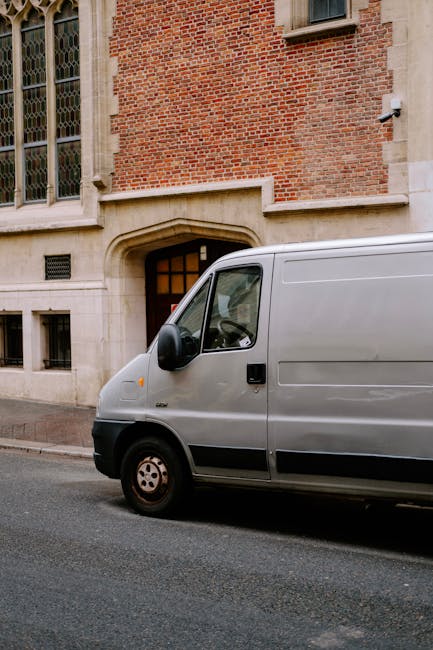
Why Permit needs near Lincoln's Inn Fields for moving vans Matters
Lincoln's Inn Fields sits in a part of London where access is rarely simple for long, heavy vehicles. That does not mean a move is difficult by default. It does mean the margin for error is small. A van parked in the wrong place can block traffic, upset neighbours, attract a penalty, or leave your crew carrying furniture farther than planned. None of that is fun. Not even a bit.
The issue matters for three practical reasons. First, you may need permission to load or unload on a restricted street. Second, some roads around the area have time limits, waiting restrictions, or access rules that affect moving vans. Third, a permit or parking arrangement helps the removal team work efficiently, which matters when you are paying for time and need the move completed cleanly.
In a compact central London location, even a few minutes of extra walking distance can snowball into delay. A sofa that should have been lifted from kerb to front door ends up being manoeuvred around narrow bays, cyclists, and pedestrians. That is where planning pays off. It keeps the move steady, controlled, and much less stressful.
If you are moving items that need careful handling, such as awkward furniture or a piano, it is worth reading the guidance on furniture removals in Holborn and specialist piano removals, because access planning and permit checks matter even more for larger items.
How Permit needs near Lincoln's Inn Fields for moving vans Works
There are usually two layers to think about: the street rules and the vehicle itself. The street rules determine whether the van can stop, wait, or load in a given place. The vehicle side covers van size, time on site, and whether the crew can complete the move without blocking access or creating a safety issue.
In practice, this often means checking whether the location falls under controlled parking, loading restrictions, or visitor permit systems. Some buildings manage their own access arrangements, while some streets rely on council rules and general parking restrictions. The exact requirement depends on the specific road, the time of day, and the type of stop you need to make.
A common misunderstanding is assuming that a moving van can simply stop briefly because it is "only loading." Sometimes that is allowed. Sometimes it is not. Sometimes a loading exemption applies for a short period, but only in certain bays or under certain conditions. And sometimes a formal permit is still the safer route. That is why local verification matters more than guesswork.
Good removals teams usually build this into the job before the van even starts up. They will ask about access, stairs, lifts, entrance width, and whether the van can get close enough to the property. The best results come when the permit question is handled early, not after the van is already idling outside.
For packing and loading efficiency, you may also find these house move packing tips useful, because a well-packed van reduces loading time and helps you make the most of any limited stopping window.
Key Benefits and Practical Advantages
Sorting permit needs properly is not just about avoiding a ticket. It makes the whole move smoother in ways people only notice when they do not do it. That sounds dramatic, but it is true.
- Faster loading and unloading: The van can park as close as possible to the property, reducing carrying time and back-and-forth trips.
- Lower risk of penalties or disruption: You are less likely to face enforcement trouble or have to move the van mid-job.
- Better protection for belongings: Shorter carry distances mean less chance of damage on doorframes, stairwells, or pavements.
- Less stress for everyone involved: A clear plan makes move day feel organised rather than improvised.
- More predictable costs: Fewer delays usually mean fewer extra hours.
There is also a quieter benefit: confidence. When you know the van is allowed to stop where it needs to stop, the day feels more controlled. You are not looking over your shoulder every ten minutes waiting for a parking issue to appear. That alone can change the mood of the move.
And for people with tight schedules, student moves, office removals, or same-day plans, that reliability is often the difference between a calm day and a slightly chaotic one. If that sounds familiar, student removals in Holborn and office removals support are both worth reviewing for practical move planning.
Who This Is For and When It Makes Sense
Permit checks matter for almost anyone moving in or around Lincoln's Inn Fields, but they are especially important in a few common situations.
Flat movers: If you are leaving or entering a flat, the van may need to park on a narrow road while lift access, stairs, and shared entrances are dealt with. This is where flat removals in Holborn become a very practical fit.
House movers: Even if you have more items, the access challenge can still be the same. The van needs a workable stopping place, especially if the property is on a one-way street or near a busy junction.
Office movers: Business relocations often have tighter timing and less tolerance for delays. A permit issue can throw off the whole schedule.
Same-day movers: If the move is happening fast, there is less time to correct a parking mistake. In that case, checking same-day removals in Holborn may be helpful, because speed only works when access is properly planned.
People with bulky or fragile items: Large furniture, mirrors, appliances, or instruments need short, safe carrying routes. A permit or loading arrangement can reduce risk quite a lot.
One thing we see often: people assume permit needs only matter for "big" moves. Not really. Even a small move can run into trouble if the van cannot legally stop outside the building. The amount of furniture is only half the story; the street conditions are the other half.
Step-by-Step Guidance
Here is a practical way to tackle permit needs near Lincoln's Inn Fields without making it more complicated than it has to be.
- Confirm the exact address and road. Do not rely on the general area name alone. Streets can have different restrictions a few metres apart.
- Check the loading rules for the time of day. Morning, lunchtime, and evening rules can differ. Some roads are more flexible at certain times.
- Ask whether a formal permit or temporary parking arrangement is needed. Building management, the local authority, or the removal company may each play a part.
- Measure access at both ends. Look at entrances, gates, stairwells, lift size, and where the van can safely stop.
- Book the move with enough lead time. The earlier you deal with parking and access, the fewer surprises appear later.
- Share details with your movers. Give them the road name, post code, floor level, any restrictions, and the best contact number.
- Prepare for a loading window. Have boxes packed, labelled, and ready so the team can work quickly.
- Check the final plan the day before. A quick confirmation can catch changes in building access, roadworks, or timing.
If you are still in the packing stage, it helps to use a sensible system rather than a last-minute rush. The article on effective decluttering solutions for a seamless move is a good companion read, because moving fewer items often means fewer permit headaches too. Less stuff, less stress. Simple, really.
For heavy household items, use safe lifting practice and do not wing it. A small misstep on a narrow pavement can turn into a strained back or a damaged cabinet. The piece on managing heavy lifting more safely gives a sensible overview, though with removals around central London it is usually better to share the load properly.
Expert Tips for Better Results
After enough moves in busy London streets, a few patterns become obvious.
Keep the van time short. If you have a permit or a narrow loading window, speed matters. That does not mean rushing dangerously. It means being ready. Boxes sealed. Keys accessible. Items grouped by room. This saves more time than any clever trick.
Use labels that actually help. "Kitchen - fragile - open first" is useful. "Misc" is not. Let's face it, nobody ever thanks the person who labels five boxes "stuff."
Place the heaviest items closest to the door. If the van can park only for a limited period, you want the big pieces out first while the route is clear.
Check the weather. A damp morning in London can mean slippery pavements and slower handling. It is a small thing until someone is carrying a mattress through drizzle.
Think about what not to move on the day. Deep cleaning supplies, spare plants, and loose bits from cupboards can create clutter. Put them in one clear box or bag.
Ask about insurance and safety procedures. A professional removals team should be able to explain how they handle access issues, lifting risks, and damaged-property concerns. If you want a broader overview, see insurance and safety guidance.
One practical local tip: if your building has a concierge or property manager, talk to them early. They often know which bay is safest, where delivery vehicles can pause, and what gets enforcement attention first. That kind of inside knowledge can save a lot of hassle.
![Close-up of the exterior corner of a building showing a white sign reading 'HIGH HOLBORN WC1' mounted on a beige stone wall, adjacent to a large wooden door with intricate carvings and a black keypad lock. To the right, there is a glass entrance door with a black frame, featuring a small green emergency exit sign and a floral arrangement with pink and purple flowers hanging above it. The area is well-lit with natural daylight, highlighting the building’s architectural details such as ornamental stonework around the door and textured stone blocks on the wall. The scene suggests a typical urban property entrance, relevant to house removals, with the presence of a moving crew potentially preparing for a furniture transport or home relocation from this location. The signage indicates this is a designated address segment within Holborn, supporting services like packing, loading, and transportation involved in professional removals by [COMPANY_NAME].](/pub/blogphoto/permit-needs-near-lincolns-inn-fields-for-moving-vans2.jpg)
Common Mistakes to Avoid
Most permit problems are not dramatic legal issues. They are ordinary planning mistakes that snowball.
- Assuming the van can "just stop for a minute." That is how people get caught out.
- Forgetting to check the exact street, not just the area. Lincoln's Inn Fields is central enough that nearby roads can differ a lot.
- Leaving permit checks until moving day. By then, your options are limited.
- Not telling the removals team about access problems. If they do not know about gates, stairs, or narrow bays, they cannot plan well.
- Packing too slowly. A permit window is not the time to be taping boxes with one eye on the clock.
- Ignoring building rules. Some properties have their own booking or loading restrictions, even before the street rules come into play.
- Choosing a van size that is awkward for the street. Bigger is not always better. Sometimes a smaller van is the sensible choice.
A lot of people also forget to plan the end of the move. If you are leaving an old place behind, having a proper clean-up plan is a smart move. The guide on creating a seamless move-out with expert cleaning is worth a look, especially if your tenancy or handover deadline is tight.
Tools, Resources and Recommendations
You do not need a mountain of tools to handle permit planning. You do need the right bits of information in one place.
Useful items to have ready:
- Exact moving address and post code
- Preferred moving date and backup timing
- Building contact or concierge details
- Inventory of large or fragile items
- Floor level and lift information
- Measurements for awkward furniture
- Any existing parking instructions from the landlord or managing agent
Helpful online resources and support pages:
- Services overview for understanding the available moving support
- man with a van in Holborn if you need a smaller, flexible option
- man and van services for more straightforward local moves
- removal van options when you need the right vehicle for access conditions
- pricing and quotes to understand how the job may be costed
If you are moving specialist items, a dedicated service can save time and reduce risk. A properly arranged van and the right handling approach are especially helpful for awkward furniture, which is where furniture removals and piano removals become particularly relevant.
Law, Compliance, Standards, or Best Practice
For moving vans near Lincoln's Inn Fields, the safest approach is to treat local parking and loading rules seriously, even if the stop feels brief. Central London enforcement can be strict, and the practical cost of a mistake is often higher than people expect. While exact requirements vary by street and time, the best practice is consistent: confirm the stop is allowed, keep documents handy, and do not assume temporary loading gives automatic freedom to park anywhere.
Professional movers should follow sensible health and safety practice, especially where heavy lifting, tight stairwells, or public footpaths are involved. That includes using proper lifting technique, avoiding blocked exits, and planning routes so items are moved without unnecessary risk. If you want a broader view of the company's approach to standards and safety, the health and safety policy is a useful reference.
There is also a customer-side responsibility. If you are the person booking the move, you should provide accurate access information and flag any known restrictions. That is not just helpful; it is part of making the move safe and workable. On a busy street, good communication is a form of compliance in itself, to be fair.
Options, Methods, or Comparison Table
When planning a move near Lincoln's Inn Fields, there are a few different ways to handle parking and access. The right option depends on the property, the size of the load, and the flexibility of your schedule.
| Option | Best for | Pros | Watch-outs |
|---|---|---|---|
| Formal parking or loading permit | Longer moves, tighter streets, larger vans | More reliable stopping arrangement, better certainty | May need advance planning and correct street details |
| Short loading within allowed restrictions | Quick pickups or smaller moves | Fast if the road allows it | Time-limited and easy to misunderstand |
| Smaller van with easier access | Very tight streets or partial loads | More manoeuvrable, often simpler to position | May require multiple trips |
| Dedicated removals support | Complex moves, bulky furniture, offices | Better coordination, safer handling, less hassle | Needs careful booking and clear instructions |
There is no universal "best" choice. A compact van is brilliant in one street and a nuisance in another. A permit is perfect in one situation and unnecessary in another. The trick is matching the method to the address, not the other way round.
Case Study or Real-World Example
Here is a realistic example from the kind of move people make all the time around central London.
A couple moving from a first-floor flat near Lincoln's Inn Fields had a sofa, a bed frame, a mattress, a desk, and about twenty boxes. Nothing outrageous. But the street outside was narrow, the building entrance was awkward, and the nearest legal stopping place was farther away than they expected. At first, they assumed the van could pause for a quick unload at the front. Then they checked the road rules and realised that plan was shaky at best.
Instead, they confirmed the loading arrangement in advance, unpacked everything that could be carried quickly, and asked the removals team to arrive with the van positioned for minimal hand-carry distance. They also split fragile items into smaller boxes and had the lift booked, which made a bigger difference than they expected. The move still took work - moves always do - but the day stayed calm. No last-minute arguments, no van shuffle, no standing around in the street trying to improvise.
That is the real value of permit planning. It does not make moving glamorous. It just makes it doable.
If you are planning your own packing order, the article on moving a bed and mattress step by step is especially useful when large items need to be taken out in a precise sequence.
Practical Checklist
Use this checklist before move day. It is simple, but it catches a lot.
- Confirm the exact street and post code
- Check whether a permit, loading exemption, or booking is needed
- Tell your movers about access limits, stairs, lifts, and narrow entrances
- Measure large furniture and check if it will fit through doorways
- Book the van for the right time window
- Prepare boxes, labels, and fragile-item protection in advance
- Ask the building manager or concierge about any internal rules
- Keep contact numbers handy for the day itself
- Have a backup plan if the original stopping place is unavailable
- Confirm any final instructions the evening before the move
A small bonus tip: keep a separate "first hour" bag with keys, water, chargers, tape, documents, and cleaning wipes. It sounds minor. It is not. On moving day, that bag can save a surprising amount of fumbling.
Conclusion
Managing permit needs near Lincoln's Inn Fields for moving vans is mostly about being organised before the pressure starts. Check the street rules, confirm the access plan, give your movers the details they need, and do not leave parking to chance. In a part of London where space is tight and timing matters, that preparation gives you a much better move.
Done well, the whole process feels less like a scramble and more like a sequence of sensible steps. A little planning goes a long way. Honestly, more than most people expect.
Get a free quote today and see how much you can save.
If you are comparing removal support, reviewing the service options, and planning the right vehicle for the area, take a look at removal services in Holborn and removals in Holborn for a practical next step.